








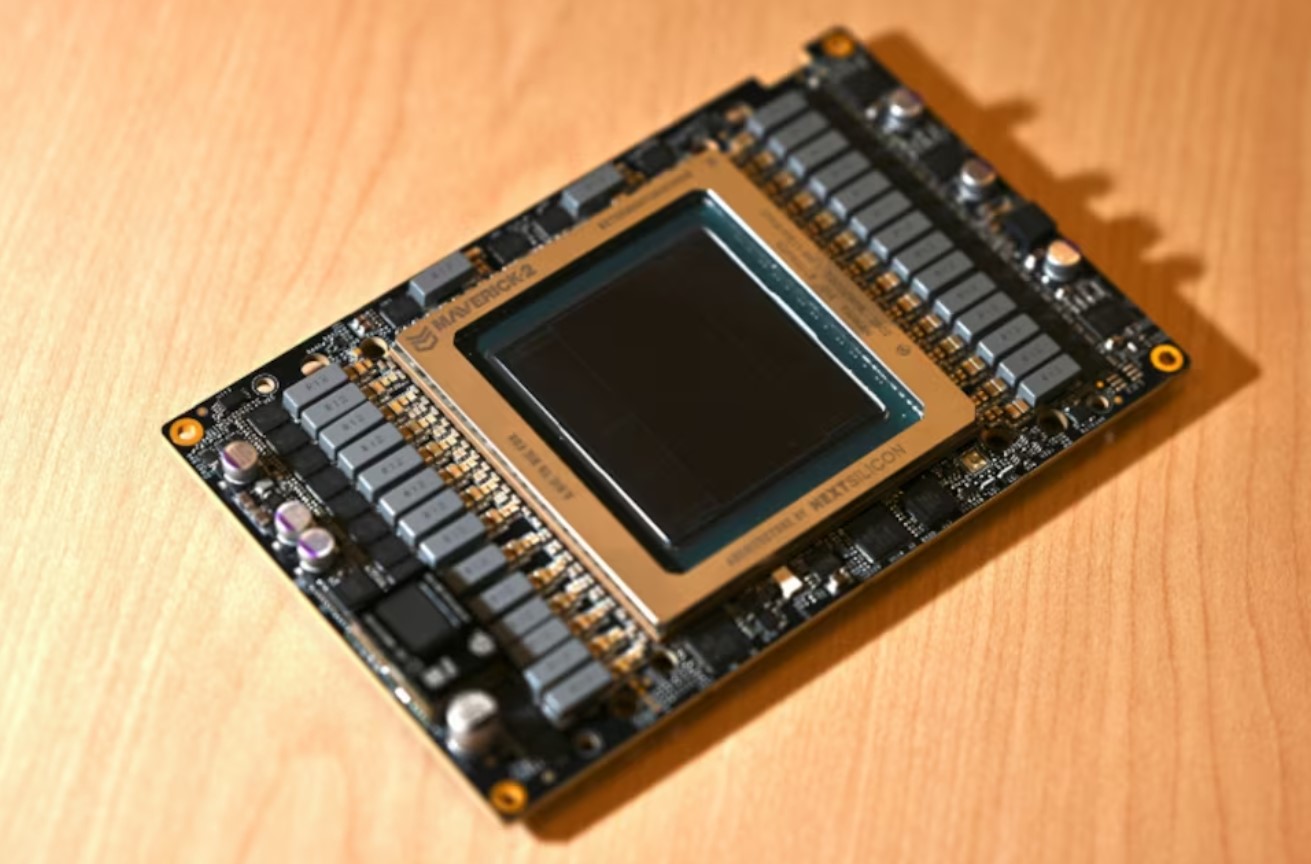
In a nondescript building on Kirtland Air Force Base on the high desert of New Mexico, liquid-cooled supercomputers gurgle and hum their way through some of the most complex math problems the US government seeks to solve: simulating how hypersonic nuclear weapons would move through the earth’s atmosphere, or what would happen if one nuclear warhead detonated near another.
For more than a decade, the chips handling this secretive and